概述

ThreadPoolExecutor是实现线程池的类,它实现了线程池的所有功能。

解析

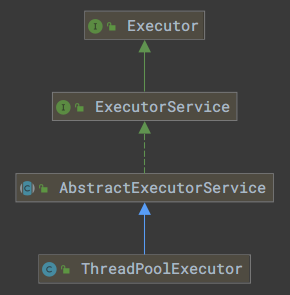
继承关系

ThreadPoolExecutor

1
public class ThreadPoolExecutor extends AbstractExecutorService {}

ThreadPoolExecutor继承了抽象类AbstractExecutorService.

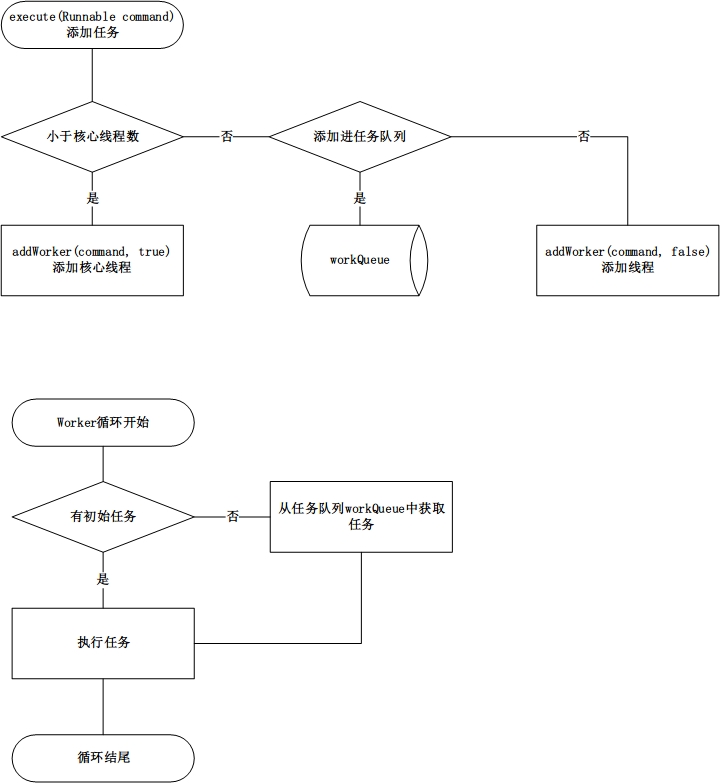
ThreadPoolExecutor任务运行逻辑

ThreadPoolExecutor任务运行逻辑

成员变量

静态属性:运行状态值

1
2
3
4
5
6
7
8
9
10
11
12
// 29位
private static final int COUNT_BITS = Integer.SIZE - 3;
//二进制为29个1
private static final int COUNT_MASK = (1 << COUNT_BITS) - 1;

// runState is stored in the high-order bits
// 左移29位,高3位作为状态
private static final int RUNNING = -1 << COUNT_BITS;
private static final int SHUTDOWN = 0 << COUNT_BITS; // 准备停止,等待队列中没有任务了才能停止
private static final int STOP = 1 << COUNT_BITS; // 停止
private static final int TIDYING = 2 << COUNT_BITS; // 准备中断
private static final int TERMINATED = 3 << COUNT_BITS; // 中断

非静态属性

1
2
3
4
5
6
7
8
9
10
11
12
13
14
15
16
17
18
19
20
21
22
23
24
25
26
27
28
29
30
31
32
// 记录运行信息,高3位代表运行状态,第29位代表工作线程数workerCount
private final AtomicInteger ctl = new AtomicInteger(ctlOf(RUNNING, 0));
// 提交的等待运行任务队列
private final BlockingQueue<Runnable> workQueue;
// 主锁,操作线程相关属性时获取,例如workers
private final ReentrantLock mainLock = new ReentrantLock();
// 一个work对应一个线程,workers代表所有工作线程,仅在获取主锁时变更
private final HashSet<Worker> workers = new HashSet<>();
// 等待队列,仅在获取主锁时变更
private final Condition termination = mainLock.newCondition();
// 最大池容量,仅在获取主锁时变更
private int largestPoolSize;
// 已完成的任务数,仅在获取主锁时变更
private long completedTaskCount;
// 线程创建工厂
private volatile ThreadFactory threadFactory;
// 拒绝执行器
private volatile RejectedExecutionHandler handler;
// 线程最大等待时间(大于核心线程数或者开启allowCoreThreadTimeOut时采用)
private volatile long keepAliveTime;
// 允许核心线程超时结束
private volatile boolean allowCoreThreadTimeOut;
// 核心线程数
private volatile int corePoolSize;
// 最大线程数
private volatile int maximumPoolSize;
// 默认拒绝执行器(默认是抛出RejectedExecutionException)
private static final RejectedExecutionHandler defaultHandler =
new AbortPolicy();
// shutdown权限,System.getSecurityManager()管理权限
private static final RuntimePermission shutdownPerm =
new RuntimePermission("modifyThread");

运行信息

1
2
3
4
5
6
7
8
9
10
11
12
13
14
15
16
17
18
19
20
21
22
23
24
25
26
27
28
29
// 取高3位的运行状态
private static int runStateOf(int c) { return c & ~COUNT_MASK; }
// 取低29位的工作线程数
private static int workerCountOf(int c) { return c & COUNT_MASK; }
private static int ctlOf(int rs, int wc) { return rs | wc; }

private static boolean runStateLessThan(int c, int s) {
return c < s;
}

private static boolean runStateAtLeast(int c, int s) {
return c >= s;
}

private static boolean isRunning(int c) {
return c < SHUTDOWN;
}

private boolean compareAndIncrementWorkerCount(int expect) {
return ctl.compareAndSet(expect, expect + 1);
}

private boolean compareAndDecrementWorkerCount(int expect) {
return ctl.compareAndSet(expect, expect - 1);
}

private void decrementWorkerCount() {
ctl.addAndGet(-1);
}

构造器

构造器中没有复杂逻辑将对应的数据赋值。

1
2
3
4
5
6
7
8
9
10
11
12
13
14
15
16
17
18
19
20
21
public ThreadPoolExecutor(int corePoolSize,
int maximumPoolSize,
long keepAliveTime,
TimeUnit unit,
BlockingQueue<Runnable> workQueue,
ThreadFactory threadFactory,
RejectedExecutionHandler handler) {
if (corePoolSize < 0 ||
maximumPoolSize <= 0 ||
maximumPoolSize < corePoolSize ||
keepAliveTime < 0)
throw new IllegalArgumentException();
if (workQueue == null || threadFactory == null || handler == null)
throw new NullPointerException();
this.corePoolSize = corePoolSize;
this.maximumPoolSize = maximumPoolSize;
this.workQueue = workQueue;
this.keepAliveTime = unit.toNanos(keepAliveTime);
this.threadFactory = threadFactory;
this.handler = handler;
}

1
2
3
4
5
6
7
8
9
10
11
12
13
14
15
16
17
18
19
20
21
22
23
24
25
26
public ThreadPoolExecutor(int corePoolSize,
int maximumPoolSize,
long keepAliveTime,
TimeUnit unit,
BlockingQueue<Runnable> workQueue) {
this(corePoolSize, maximumPoolSize, keepAliveTime, unit, workQueue,
Executors.defaultThreadFactory(), defaultHandler);
}
public ThreadPoolExecutor(int corePoolSize,
int maximumPoolSize,
long keepAliveTime,
TimeUnit unit,
BlockingQueue<Runnable> workQueue,
ThreadFactory threadFactory) {
this(corePoolSize, maximumPoolSize, keepAliveTime, unit, workQueue,
threadFactory, defaultHandler);
}
public ThreadPoolExecutor(int corePoolSize,
int maximumPoolSize,
long keepAliveTime,
TimeUnit unit,
BlockingQueue<Runnable> workQueue,
RejectedExecutionHandler handler) {
this(corePoolSize, maximumPoolSize, keepAliveTime, unit, workQueue,
Executors.defaultThreadFactory(), handler);
}

任务工作类Worker(内部类)

线程池中一个线程对应一个Worker。Worker实现了Runnable接口,实际线程运行的Runnable对象是Worker本身,Worker来调度各个任务的运行。

继承关系

Worker继承了AQS,所以自带锁的能力

1
private final class Worker extends AbstractQueuedSynchronizer implements Runnable{}

成员变量

1
2
3
4
5
6
// 运行的线程
final Thread thread;
// 初始的任务,可能为null
Runnable firstTask;
// 完成任务计数
volatile long completedTasks;

构造器

1
2
3
4
5
Worker(Runnable firstTask) {
setState(-1); // inhibit interrupts until runWorker
this.firstTask = firstTask;
this.thread = getThreadFactory().newThread(this);
}

方法

其中核心的run方法依赖ThreadPoolExecutor的runWorker方法。

因为Worker是ThreadPoolExecutor的内部类,所以Worker可以使用ThreadPoolExecutor的属性和方法。

1
2
3
4
5
6
7
8
9
10
11
12
13
14
15
16
17
18
19
20
21
22
23
24
25
26
27
28
29
30
31
32
33
34
35
36
public void run() {
runWorker(this);
}

protected boolean isHeldExclusively() {
return getState() != 0;
}

protected boolean tryAcquire(int unused) {
if (compareAndSetState(0, 1)) {
setExclusiveOwnerThread(Thread.currentThread());
return true;
}
return false;
}

protected boolean tryRelease(int unused) {
setExclusiveOwnerThread(null);
setState(0);
return true;
}

public void lock() { acquire(1); }
public boolean tryLock() { return tryAcquire(1); }
public void unlock() { release(1); }
public boolean isLocked() { return isHeldExclusively(); }

void interruptIfStarted() {
Thread t;
if (getState() >= 0 && (t = thread) != null && !t.isInterrupted()) {
try {
t.interrupt();
} catch (SecurityException ignore) {
}
}
}

ThreadPoolExecutor的runWorker(Worker w)方法

runWorker方法是线程池线程复用的核心方法,Worker不断循环获取任务队列中的任务,然后执行。

注意:当getTask()方法返回null时,该线程会结束运行

1
2
3
4
5
6
7
8
9
10
11
12
13
14
15
16
17
18
19
20
21
22
23
24
25
26
27
28
29
30
31
32
33
34
35
36
37
38
39
final void runWorker(Worker w) {
Thread wt = Thread.currentThread();
Runnable task = w.firstTask;
w.firstTask = null;
w.unlock(); // allow interrupts
boolean completedAbruptly = true;
try {
// getTask()从等待任务队列中获取
while (task != null || (task = getTask()) != null) {
w.lock();
// If pool is stopping, ensure thread is interrupted;
// if not, ensure thread is not interrupted. This
// requires a recheck in second case to deal with
// shutdownNow race while clearing interrupt
if ((runStateAtLeast(ctl.get(), STOP) ||
(Thread.interrupted() &&
runStateAtLeast(ctl.get(), STOP))) &&
!wt.isInterrupted())
wt.interrupt();
try {
beforeExecute(wt, task); // 空方法,扩展点
try {
task.run();
afterExecute(task, null); // 空方法,扩展点
} catch (Throwable ex) {
afterExecute(task, ex); // 空方法,扩展点
throw ex;
}
} finally {
task = null;
w.completedTasks++; // 完成任务数累加
w.unlock();
}
}
completedAbruptly = false;
} finally {
processWorkerExit(w, completedAbruptly); // 退出处理
}
}

获取任务getTask()

任务从任务队列workQueue中获取,对于当前线程数>核心线程数就可以超时,或者允许核心线程超时利用BlockingQueue的poll(long timeout, TimeUnit unit)固定等待时间获取。

getTask()方法会处理线程存活时间,也就是timedOut字段控制,当线程存活时间超时后,getTask()方法返回null,然后runWorker方法判断到null结束循环运行,终止线程。

1
2
3
4
5
6
7
8
9
10
11
12
13
14
15
16
17
18
19
20
21
22
23
24
25
26
27
28
29
30
31
32
33
34
35
36
37
38
39
40
private Runnable getTask() {
boolean timedOut = false; // Did the last poll() time out?

for (;;) {
int c = ctl.get();

// Check if queue empty only if necessary.
// 线程池结束或者队列为空
if (runStateAtLeast(c, SHUTDOWN)
&& (runStateAtLeast(c, STOP) || workQueue.isEmpty())) {
decrementWorkerCount();
return null;
}

int wc = workerCountOf(c);

// Are workers subject to culling?
// 超时时间
// 当前线程数>核心线程数就可以超时,或者允许核心线程超时
boolean timed = allowCoreThreadTimeOut || wc > corePoolSize;
// 线程数大于最大线程数或者处于超时状态,则返回null结束这个worker
if ((wc > maximumPoolSize || (timed && timedOut))
&& (wc > 1 || workQueue.isEmpty())) {
if (compareAndDecrementWorkerCount(c))
return null;
continue;
}

try {
Runnable r = timed ?
workQueue.poll(keepAliveTime, TimeUnit.NANOSECONDS) :
workQueue.take();// 堵塞获取
if (r != null)
return r;
timedOut = true;
} catch (InterruptedException retry) {
timedOut = false;
}
}
}

Worker退出处理processWorkerExit

completedAbruptly为true则代表是异常结束的,不然则是正常结束的。

1
2
3
4
5
6
7
8
9
10
11
12
13
14
15
16
17
18
19
20
21
22
23
24
25
26
27
28
29
30
private void processWorkerExit(Worker w, boolean completedAbruptly) {
// 异常结束则减worker数
if (completedAbruptly) // If abrupt, then workerCount wasn't adjusted
decrementWorkerCount();
// 移除worker
final ReentrantLock mainLock = this.mainLock;
mainLock.lock();
try {
completedTaskCount += w.completedTasks;
workers.remove(w);
} finally {
mainLock.unlock();
}

tryTerminate();

int c = ctl.get();
// 如果还没停止且worker数太少,则新添加一个worker
if (runStateLessThan(c, STOP)) {
// 自然结束的判断一下是不是小于核心线程数或者根本没有线程了
if (!completedAbruptly) {
int min = allowCoreThreadTimeOut ? 0 : corePoolSize;
if (min == 0 && ! workQueue.isEmpty())
min = 1;
if (workerCountOf(c) >= min)
return; // replacement not needed
}
addWorker(null, false);
}
}

核心方法

执行任务入口 execute(Runnable command)

execute是执行任务的入口,抽象类AbstractExecutorService中未实现,该方法交由实现类来实现。

  1. 未达到核心线程数上限:执行addWorker新建核心线程,如果成功则返回,不然走后续逻辑;
  2. 线程池在运行则加入等待队列,如果成功:
    1. 再次判断线程池是否在运行,如果没有运行则将任务从队列中移除;
    2. 线程池在运行,但是线程数为0,则执行addWorker新建非核心线程,但是不传入初始任务;
  3. 没有成功存入队列,则执行addWorker新建非核心线程;
1
2
3
4
5
6
7
8
9
10
11
12
13
14
15
16
17
18
19
20
21
22
23
24
25
public void execute(Runnable command) {
if (command == null)
throw new NullPointerException();
// 获取线程池运行状态
int c = ctl.get();
// 是否达到核心线程数
if (workerCountOf(c) < corePoolSize) {
// 第二个参数是否是核心线程
if (addWorker(command, true))
return;
c = ctl.get();
}
// 加入等待队列
if (isRunning(c) && workQueue.offer(command)) {
int recheck = ctl.get();
// 如果线程池没有running则拒绝
if (! isRunning(recheck) && remove(command))
reject(command);
else if (workerCountOf(recheck) == 0)
addWorker(null, false);
}
// 没有存进队列再次尝试执行
else if (!addWorker(command, false))
reject(command); // 失败就拒绝
}

添加新线程addWorker

firstTask:新建Worker后立即运行的任务,可以为null
core:代表当前新建的Worker的运行线程是否是核心线程

逻辑:

  1. retry循环:
    1. 当前线程池停止或者中断了则返回false;
    2. 无限循环:
      1. 如果core参数为true则判断是否达到了核心线程数,不然判断是否达到最大线程数,如果到达了则返回false;
      2. cas线程数加一,如果成功则retry循环break;
      3. 如果线程池没有中断,则重新开始retry循环;
  2. 新建工作对象worker;
  3. 如果worker.thread不为空:
    1. 获取mainLock锁;
    2. 线程池在运行或者没有停止且初始任务firstTask为空:
      1. worker.thread已经在运行了,则抛出IllegalThreadStateException;
      2. 将worker加入workers列表;
      3. 如果workers的列表长度大于largestPoolSize,则将largestPoolSize更新为workers的列表长度;
      4. 添加成功标志位workerAdded设置为true;
    3. 释放锁;
  4. 如果添加成功标志位workerAdded为true,则worker.thread start()且workerStarted标志设置为true;
  5. 如果workerStarted标志不为true,则执行addWorkerFailed(worker)方法。
1
2
3
4
5
6
7
8
9
10
11
12
13
14
15
16
17
18
19
20
21
22
23
24
25
26
27
28
29
30
31
32
33
34
35
36
37
38
39
40
41
42
43
44
45
46
47
48
49
50
51
52
53
54
55
56
57
58
59
60
61
62
63
64
65
66
67
68
69
70
private boolean addWorker(Runnable firstTask, boolean core) {
retry:
for (int c = ctl.get();;) {
// Check if queue empty only if necessary.
// 线程池在运行,等待队列为空则返回false
if (runStateAtLeast(c, SHUTDOWN)
&& (runStateAtLeast(c, STOP)
|| firstTask != null
|| workQueue.isEmpty()))
return false;

for (;;) {
// workerCountOf(c)当前工作线程数
// core为true表示当前任务是核心线程运行
// 则线程数不能超过核心线程数,core为false则线程数不能超过最大线程上限
if (workerCountOf(c)
>= ((core ? corePoolSize : maximumPoolSize) & COUNT_MASK))
return false;
// cas线程数加一
if (compareAndIncrementWorkerCount(c))
break retry; // 加成功后跳出retry循环
c = ctl.get(); // Re-read ctl
// 没有中断
if (runStateAtLeast(c, SHUTDOWN))
continue retry;
// else CAS failed due to workerCount change; retry inner loop
}
}

boolean workerStarted = false;
boolean workerAdded = false;
Worker w = null;
try {
w = new Worker(firstTask);// 构建新工作类
final Thread t = w.thread;// 构造器中调用线程工厂类生成
if (t != null) {
// workers操作加锁
final ReentrantLock mainLock = this.mainLock;
mainLock.lock();
try {
// Recheck while holding lock.
// Back out on ThreadFactory failure or if
// shut down before lock acquired.
int c = ctl.get();

if (isRunning(c) ||
(runStateLessThan(c, STOP) && firstTask == null)) {
if (t.isAlive()) // precheck that t is startable
throw new IllegalThreadStateException();
workers.add(w);
int s = workers.size();
if (s > largestPoolSize)
largestPoolSize = s;
workerAdded = true;
}
} finally {
mainLock.unlock();
}
// 添加成功则开始运行
if (workerAdded) {
t.start();
workerStarted = true;
}
}
} finally {
if (! workerStarted)
addWorkerFailed(w);
}
return workerStarted;
}

添加Worker失败addWorkerFailed(Worker w)

将添加失败的worker移出workers列表,然后更新线程数尝试中断(tryTerminate)

1
2
3
4
5
6
7
8
9
10
11
12
private void addWorkerFailed(Worker w) {
final ReentrantLock mainLock = this.mainLock;
mainLock.lock();
try {
if (w != null)
workers.remove(w);
decrementWorkerCount();
tryTerminate();
} finally {
mainLock.unlock();
}
}

尝试中断tryTerminate()

只能是SHUTDOWN且线程池和等待队列为空 或者 STOP且线程池为空。

1
2
3
4
5
6
7
8
9
10
11
12
13
14
15
16
17
18
19
20
21
22
23
24
25
26
27
28
29
30
31
32
33
34
final void tryTerminate() {
for (;;) {
int c = ctl.get();
// 正在运行/中断中/已经中断/有任务而且处于结束状态
if (isRunning(c) ||
runStateAtLeast(c, TIDYING) ||
(runStateLessThan(c, STOP) && ! workQueue.isEmpty()))
return;
// worker数不为0,则中断workers列表中的第一个worker
if (workerCountOf(c) != 0) { // Eligible to terminate
interruptIdleWorkers(ONLY_ONE);
return;
}

final ReentrantLock mainLock = this.mainLock;
mainLock.lock();
try {
if (ctl.compareAndSet(c, ctlOf(TIDYING, 0))) {
try {
terminated(); // 空方法
} finally {
ctl.set(ctlOf(TERMINATED, 0));
// Condition termination = mainLock.newCondition();
// 唤醒termination中的等待队列中的线程
termination.signalAll();
}
return;
}
} finally {
mainLock.unlock();
}
// else retry on failed CAS
}
}

停止shutdown()

SHUTDOWN状态必须等等待队列中没有任务了才能停止

1
2
3
4
5
6
7
8
9
10
11
12
13
public void shutdown() {
final ReentrantLock mainLock = this.mainLock;
mainLock.lock();
try {
checkShutdownAccess();// SecurityManager判断是否有停止权限
advanceRunState(SHUTDOWN); // 设置状态
interruptIdleWorkers(); // 中断所有worker
onShutdown(); // hook for ScheduledThreadPoolExecutor
} finally {
mainLock.unlock();
}
tryTerminate();
}

立即停止shutdownNow()

1
2
3
4
5
6
7
8
9
10
11
12
13
14
15
public List<Runnable> shutdownNow() {
List<Runnable> tasks;
final ReentrantLock mainLock = this.mainLock;
mainLock.lock();
try {
checkShutdownAccess();// SecurityManager判断是否有停止权限
advanceRunState(STOP);// 设置状态
interruptWorkers(); // 中断所有worker
tasks = drainQueue(); // 返回任务队列中还未执行的任务
} finally {
mainLock.unlock();
}
tryTerminate();
return tasks;
}

更新状态advanceRunState

1
2
3
4
5
6
7
8
9
private void advanceRunState(int targetState) {
// assert targetState == SHUTDOWN || targetState == STOP;
for (;;) {
int c = ctl.get();
if (runStateAtLeast(c, targetState) ||
ctl.compareAndSet(c, ctlOf(targetState, workerCountOf(c))))
break;
}
}

中断workers interruptIdleWorkers

1
2
3
4
5
6
7
8
9
10
11
12
13
14
15
16
17
18
19
20
21
22
23
24
25
private void interruptIdleWorkers() {
interruptIdleWorkers(false);
}
// 如果传true则中断第一个worker
private void interruptIdleWorkers(boolean onlyOne) {
final ReentrantLock mainLock = this.mainLock;
mainLock.lock();
try {
for (Worker w : workers) {
Thread t = w.thread;
if (!t.isInterrupted() && w.tryLock()) {
try {
t.interrupt();
} catch (SecurityException ignore) {
} finally {
w.unlock();
}
}
if (onlyOne)
break;
}
} finally {
mainLock.unlock();
}
}

等待任务中断

利用mainLock.newCondition()的等待队列,中断是执行tryTerminate()成功后唤醒等待线程。

1
2
3
4
5
6
7
8
9
10
11
12
13
14
15
16
public boolean awaitTermination(long timeout, TimeUnit unit)
throws InterruptedException {
long nanos = unit.toNanos(timeout);
final ReentrantLock mainLock = this.mainLock;
mainLock.lock();
try {
while (runStateLessThan(ctl.get(), TERMINATED)) {
if (nanos <= 0L)
return false;
nanos = termination.awaitNanos(nanos);
}
return true;
} finally {
mainLock.unlock();
}
}

设置核心线程数setCorePoolSize

1
2
3
4
5
6
7
8
9
10
11
12
13
14
15
16
17
18
19
public void setCorePoolSize(int corePoolSize) {
if (corePoolSize < 0 || maximumPoolSize < corePoolSize)
throw new IllegalArgumentException();
int delta = corePoolSize - this.corePoolSize;
this.corePoolSize = corePoolSize;
if (workerCountOf(ctl.get()) > corePoolSize)
interruptIdleWorkers();
else if (delta > 0) {
// We don't really know how many new threads are "needed".
// As a heuristic, prestart enough new workers (up to new
// core size) to handle the current number of tasks in
// queue, but stop if queue becomes empty while doing so.
int k = Math.min(delta, workQueue.size());
while (k-- > 0 && addWorker(null, true)) {
if (workQueue.isEmpty())
break;
}
}
}